

Modern supply chains are subjected to relentless disruptions, such as fuel price spikes and unexpected regulatory changes, which cause delays and uncertainty for both businesses and drivers. It may be overwhelming to keep pace with these changes, and logistics decisions require correct and timely information.
Luckily, keeping in touch with trustworthy news in the trucking industry enables you to foresee the obstacles and readjust the routes, as well as control costs more efficiently. Knowing the trends, policy changes, and how technology is developing, you can reduce the delays and enhance the overall performance.
This article discusses the direct impact of news in the trucking industry on the operations of the supply chain and outlines six critical areas where staying informed leads to superior decisions.
1. Fuel Price Fluctuation Influence on Supply Costs
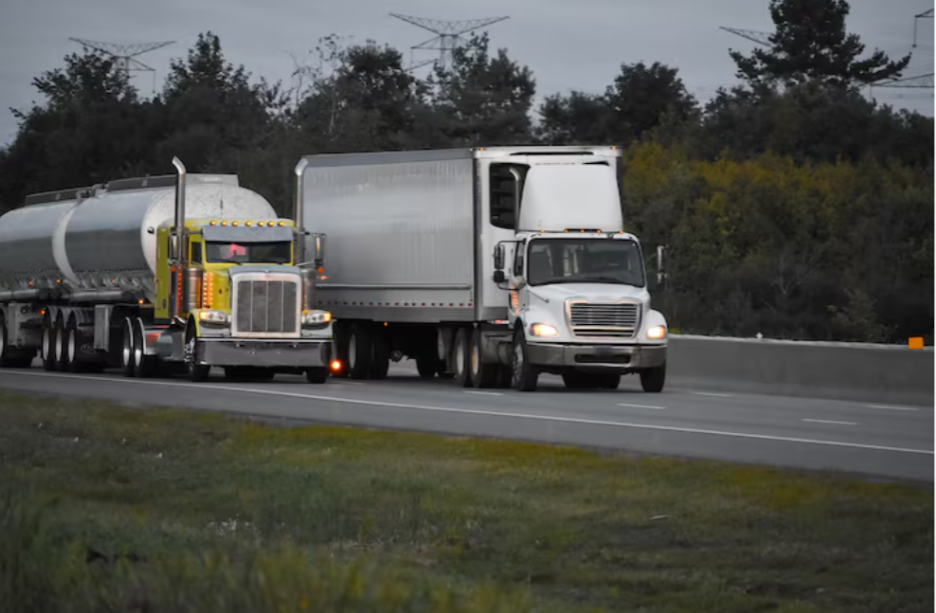
Transportation budgets are directly influenced by fuel prices. According to trucking industry news, regional diesel prices are highly volatile, making them unpredictable and causing carriers to incur high expenses.
Shipping rates also increase as the prices grow, and the schedules of the deliveries may require changes. Firms that monitor these trends are able to strategize on how to buy fuel and seek other options to avoid inefficiency.
Financial pressure can be reduced by implementing fuel-saving measures such as efficient fleet management and route optimization. Moreover, knowledge of upcoming price adjustments enables logistics managers to negotiate contracts with clients and partners in advance, thereby avoiding losses.
With the introduction of fuel updates as a part of regular business processes, companies are able to manage costs and streamline the supply chain processes. Monitoring trends means that operations are flexible and responsive to market changes.
2. Regulatory Changes Effect on Compliance and Scheduling
Regulations also influence the working hours of a driver, the standards of vehicles, and safety requirements, so timely updates are necessary. Trucking industry news offers reliable data regarding new regulations, temporary waivers, and emergency modifications, which allow businesses to react promptly.
Through such updates, firms are able to make effective plans on how to deliver products, redistribute assignments, and ensure compliance. Fleet management is proactive due to awareness of shifting requirements in licensing, vehicle inspections, and environmental requirements.
By keeping up with the trucking industry news, the managers are able to predict the disruptions and manage and reorganize schedules and allocate resources effectively. This proactive strategy reduces the amount of delay, ensures a steady delivery performance, and protects the efficiency and reputation of operations in a dynamically evolving logistics environment.
3. Safety Alerts and Equipment Maintenance
Truck recalls and safety warnings may cause serious disruption to supply chains unless they are dealt with immediately. Trucking industry news provides such alerts in real time, thus enabling companies to take action before problems really occur.
This information incorporated into the planning process assists the fleet managers in scheduling maintenance, allocating backup equipment, and avoiding bottlenecks during deliveries. There are also improved safety alerts that benefit drivers, minimizing road hazards.
Trusting the trucking industry news makes sure that corporations can keep their vehicles in good condition, reduce unplanned downtimes, and safeguard drivers and consignments. It is important to review these updates regularly to maintain smooth operations and prevent unnecessary delays in the supply chain, which could prove to be costly.
4. Labor Market Insights and Driver Availability
Supply chains are still being faced by shortages of drivers, and therefore, labor updates are necessary. Trucking industry news provides information on the recruitment trends, retention, and training programs, including the options for younger drivers.
Businesses that adhere to these updates are able to optimize their hiring processes, schedule their delivery models to match the availability of the staff, and anticipate peak times.
It is through the incorporation of trucking industry news that companies minimize delays, deliveries are made consistently, and the supply chain of companies remains stable despite the current uncertainty in the labor market.
5. Infrastructure Updates and Route Planning
Road construction, weigh station expansions, and new truck parking directly affect delivery efficiency. Trucking industry news provides updates on these projects, helping companies plan routes strategically.
By aligning routes with infrastructure changes, businesses reduce congestion, optimize driver rest stops, and maintain timely deliveries. Logistics managers can adjust fleet movement across regions to minimize delays.
Following trucking industry news also supports contingency planning. When roads or facilities face temporary disruptions, companies can reroute shipments efficiently. Staying updated ensures consistent delivery schedules and strengthens overall supply chain reliability by avoiding unnecessary interruptions.
6. Technology Adoption and Operational Efficiency
Technological innovations in fleet tracking, automated logistics, and route management enhance supply chain performance. Trucking industry news highlights new tools, software updates, and tracking systems that companies can adopt.
Integrating these technologies improves real-time communication between drivers and dispatchers, monitors fuel consumption, and alerts managers to maintenance needs. Data analysis further optimizes routes, schedules, and resource allocation.
By relying on trucking industry news, businesses implement technology proactively, increasing efficiency, reducing costs, and ensuring reliable deliveries. Staying updated on advancements helps companies maintain a competitive edge and build resilient, high-performing supply chains.
Conclusion
Trucking industry news is a critical resource for managing modern supply chains effectively. Staying informed about fuel costs, regulations, safety alerts, labor trends, infrastructure developments, and technology adoption allows businesses to anticipate disruptions and optimize operations.
Companies that use these updates proactively maintain smooth deliveries, reduce delays, and manage expenses efficiently. By connecting industry developments with practical decision-making, supply chain managers create resilient, flexible systems that adapt to changing conditions.
In an environment where small shifts can cause major delays, following trucking news transforms challenges into actionable opportunities, ensuring reliable performance and sustained operational success.