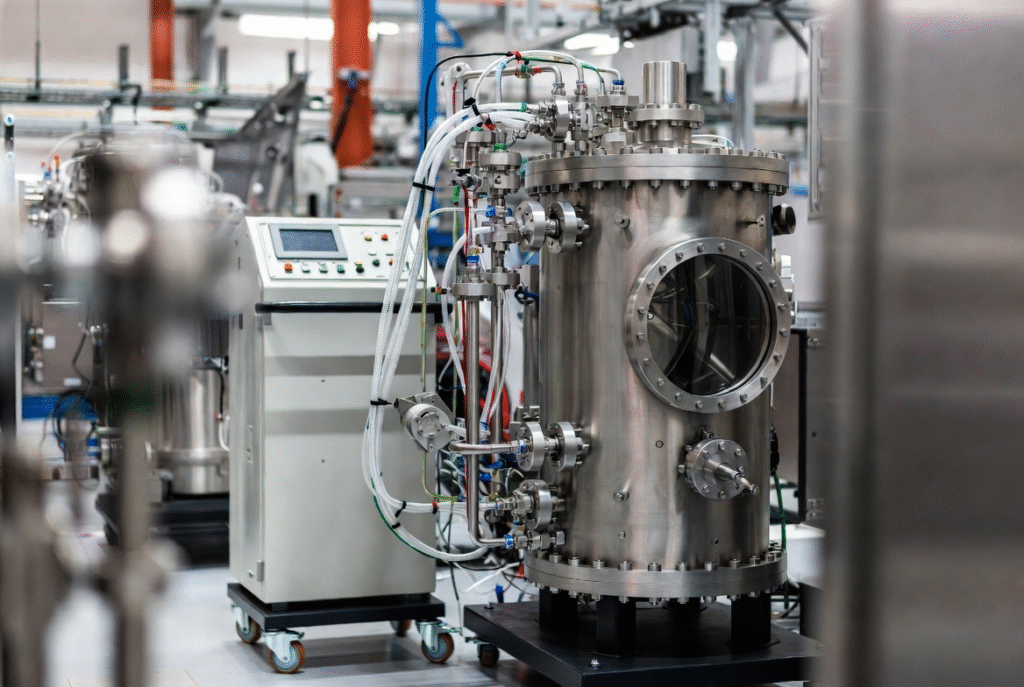
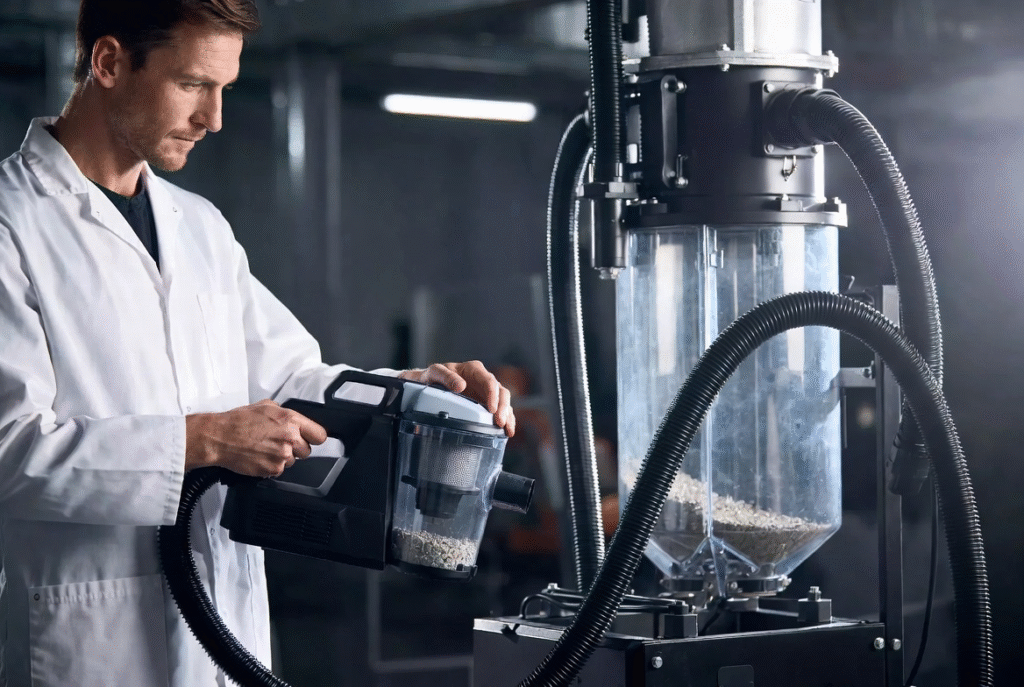
Vacuum technology is a fascinating field that impacts many industries around the world. From electronics to healthcare, this technology helps improve efficiency, safety, and innovation. But what exactly is vacuum technology? In simple words, it’s the science of creating and using spaces with very low pressure. These spaces, or vacuums, allow engineers and scientists to work with materials and processes that wouldn’t be possible in normal air conditions.
Whether you’re curious about its applications, benefits, or the latest vacuum technology news today, this guide will explain everything in easy language. We’ll also explore top companies, manufacturing processes, and why this technology is important for modern life.
Table of Contents
What is Vacuum Technology?
Vacuum technology refers to creating and controlling spaces where the air pressure is lower than normal. It is used in many industries to improve production and quality. For instance, in electronics, it helps make semiconductors, and in medicine, it assists in sterilizing equipment.
Simply put, it’s a tool that helps us control air and gas to achieve results that regular air cannot allow. If you’ve ever wondered what do you mean by vacuum technology, it’s all about managing low-pressure environments efficiently.
Vacuum Technology Guide
Vacuum Technology: Companies & Experts Guide
Discover top companies, manufacturers, and experts in vacuum technology. Learn about their contributions, locations, and websites.
Vacuum technology is important because it improves efficiency, reduces contamination, and allows innovations that would be impossible in normal air. Industries like aerospace, food processing, and coatings rely on it every day.
Understanding why is vacuum technology important? can help businesses reduce costs and produce higher-quality products. Low-pressure environments also allow chemical reactions to occur safely, making it essential for modern manufacturing.
Principle of Vacuum Technology
The principle of vacuum technology is simple: reduce air pressure in a closed system to create a vacuum. This low-pressure environment allows specific processes, such as high vacuum technology, to work without interference from air or gases.
For example, in coating applications, removing air ensures materials stick evenly. This principle is key in understanding what is the principle of vacuum technology?
Applications of Vacuum Technology
The application of vacuum technology is vast. It is widely used in industries like:
Electronics and semiconductor manufacturing
Food packaging
Medical equipment sterilization
Metal coating and surface treatment
Research labs and particle physics
If you are asking what are the application of vacuum technology, the list above shows how it touches everyday life, from smartphones to hospital tools.
Benefits of Vacuum Technology
Using vacuum technology provides many advantages, including:
Higher precision in manufacturing
Cleaner environments and less contamination
Longer shelf-life for packaged goods
Reduced energy consumption
If you want to know what are the benefits of vacuum technology?, these points show why industries worldwide adopt it for better quality and efficiency
Types of Vacuum Technology
There are different types of vacuum technology, including:
High vacuum technology: Extremely low pressure for advanced scientific work
Medium and low vacuum technology for industrial processes
Cyclone technology in vacuum: Separates particles from gases efficiently
Understanding the types helps businesses choose the right solution for their needs.
Vacuum Technology Companies
Many companies specialize in vacuum technology. Top names include Vacuum Technology Inc, vacuum technology manufacturers, and industry leaders that provide equipment, coatings, and solutions.
Exploring vacuum technology & coating buyer’s guide helps you select the right supplier for your business.
Latest Vacuum Technology News
Staying updated with vacuum technology news or vacuum technology news today is crucial. New innovations include more energy-efficient pumps, automated systems, and eco-friendly coatings. Companies are also expanding globally to meet the demand for high-precision vacuum applications.
How to Choose a Vacuum Technology Manufacturer
Choosing the right manufacturer is key. Look for:
Proven experience in vacuum technology industry
Product reliability and support
Compliance with safety standards
Customer reviews and case studies
This ensures that your investment is safe, efficient, and long-lasting.
FAQs
1. What is the unit in vacuum technology?
Pressure in vacuum technology is often measured in Pascal (Pa) or Torr, depending on the system.
2. What do you mean by vacuum technology?
It’s the science of creating low-pressure spaces for industrial, scientific, or medical purposes.
3. What is cyclone technology in vacuum?
It’s a method to separate particles from gases using a swirling airflow, improving efficiency.
4. What is the importance of vacuum technology?
It ensures precision, reduces contamination, and allows advanced manufacturing processes.
5. What are the benefits of vacuum technology?
Cleaner processes, higher efficiency, safer equipment, and better-quality products.
6. Why is vacuum technology used in coatings?
It ensures even material application and reduces defects caused by air interference.
Conclusion
Vacuum technology is more than just science—it’s a key to innovation and efficiency. From medical devices to aerospace, its applications are everywhere. Staying informed with vacuum technology news, understanding its principles, and choosing the right manufacturers can help businesses and researchers achieve their goals faster and safer.
Explore the world of vacuum technology today, and see how this invisible force makes a visible difference in our lives!